To build a luxury custom home in Vancouver, expect to spend between $400 and $600 per square foot, depending on design, materials, and location. For a 4,000-square-foot home, that means a budget of roughly $1.6 to $2.4 million.
The exact cost depends on several factors. Architectural design, lot conditions, city permits, and finish quality all play major roles in shaping your total investment. The challenge for many homeowners is understanding why these costs vary so much from one project to another and how to plan.
In this article, we break down the main elements that influence the cost of building a luxury home in Vancouver, helping you see where your money goes and what to expect at each stage.
Average Cost of Building a Luxury Home Vancouver
The cost to build a luxury custom home in Vancouver averages between $400 and $600 per square foot. In some high-end neighborhoods, projects can reach $700 or more per square foot when premium materials or complex designs are involved.
For example, a 3,500-square-foot luxury home in Coquitlam might cost around $1.6 million, while a similar build in West Vancouver could exceed $2.2 million due to higher land preparation and design costs.
Pricing also depends on the level of customization. Homes with simple layouts and standard finishes stay on the lower end of the range. Fully tailored builds with high-end finishes, smart systems, or unique architecture move toward the upper end.
These numbers represent construction costs only. They don’t include land purchase, architectural design, or permit fees, which can add another 10–20% to the total project cost.
Understanding this range helps homeowners set realistic expectations before moving into design and planning.
Key Factors That Influence the Final Cost
No two luxury custom homes in Vancouver cost the same. Even with similar square footage, pricing can vary by hundreds of dollars per square foot. Understanding the variables that drive those differences helps homeowners budget realistically and make informed design choices
Architectural Design and Complexity
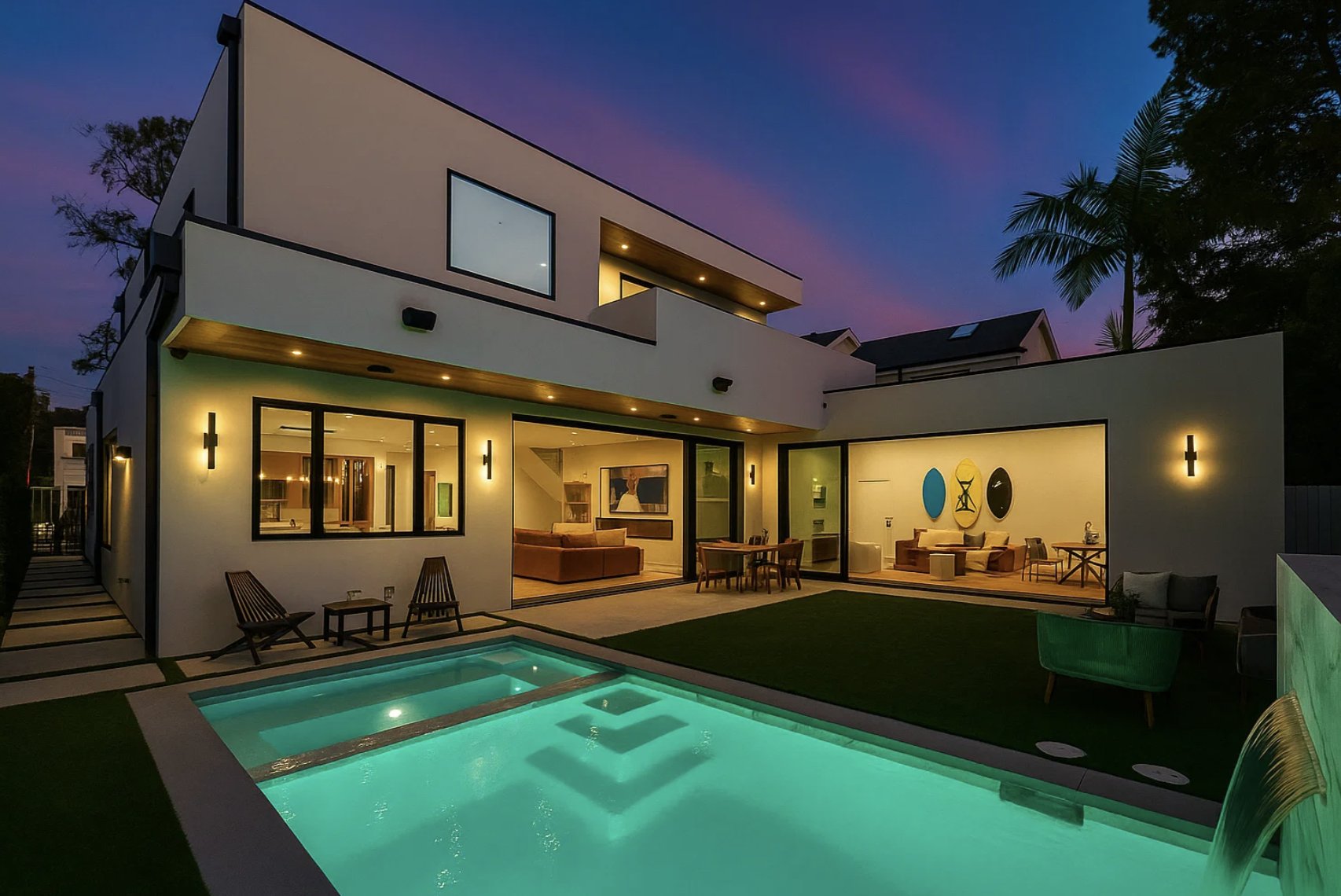
The more unique the design, the higher the build cost. Complex architecture requires more structural engineering, precision framing, and custom fabrication. Key elements that raise cost include:
- Multiple rooflines or cantilevered sections
- Extensive glass walls or oversized windows
- High ceilings or open-concept spans requiring engineered beams
- Custom staircases, feature walls, and integrated lighting
Even small design choices, like curved walls or floating elements, can increase both material waste and labor time. Top design build contractors Vancouver recommend finalizing detailed plans before quoting to avoid expensive revisions later.
Site and Lot Conditions
Vancouver’s terrain is diverse, and your lot plays a major role in the overall cost. Challenges that add expense include:
- Slope and elevation: Steep lots in areas like West Vancouver or North Shore need engineered retaining walls and complex drainage.
- Soil quality: Soft or unstable soil may require deep piles or over-excavation.
- Access: Narrow streets or wooded lots make it difficult to bring in heavy machinery.
- Utilities: Extending services such as water, sewer, or electricity to the property can add unexpected costs.
Before starting construction, a geotechnical assessment helps identify these risks early.
Materials, Finishes, and Custom Features
Material selection is one of the biggest cost drivers in a luxury home. Premium finishes enhance both comfort and resale value but come at a higher cost. Typical categories include:
- Exterior materials: Natural stone, metal cladding, or imported stucco
- Interior finishes: Custom cabinetry, wide-plank hardwood, designer tile
- Windows and doors: Energy-efficient or large architectural glass systems
- Technology: Smart-home automation, integrated security, and HVAC zoning
- Sustainability: Green materials, solar systems, and energy-efficient insulation
Modern home builders Vancouver homeowners trust help clients balance premium quality with budget control.
Permits, Design Fees, and Municipal Regulations
Permitting and compliance can add both time and cost to a Vancouver build. Every municipality has its own requirements:
- Vancouver and West Vancouver: Stricter architectural design reviews, tree protection, and energy performance standards.
- Langley and Abbotsford: Faster approvals but more site-specific engineering for rural lots.
- Heritage zones: Additional documentation and city reviews before demolition or major changes.
Budget for:
- Architectural drawings and structural engineering
- Energy modeling and building envelope reports
- Permit fees, development cost charges, and inspection deposits
Together, these can add 10–15% of the total project cost before construction even starts.
Labor, Project Management, and Market Conditions
Vancouver has one of Canada’s most competitive construction markets. Skilled labor shortages continue to influence timelines and pricing. What affects labor cost:
- High demand for trades such as framers, electricians, and finish carpenters
- Seasonal scheduling and limited availability for specialized trades
- Coordination between multiple teams on custom builds
Strong project management minimizes wasted time and rework. Builders who maintain long-term relationships with trusted trades often deliver higher quality and better cost control.
Scope Changes During Construction
Unplanned changes are the most common reason budgets increase. Examples include:
- Upgrading finishes mid-project
- Modifying layouts after framing
- Adding new features like saunas or outdoor kitchens
Allocating a 10–15% contingency fund helps absorb these adjustments without financial strain.
Typical Timeline for a Custom Luxury Build
Building a luxury custom home in Vancouver is a major undertaking that typically spans 12 to 24 months from initial planning to final occupancy. The exact duration depends on design complexity, permit processing times, and how efficiently decisions are made along the way.
Here’s what a typical project timeline looks like:
Pre-Design and Feasibility (1–2 months)
This stage focuses on defining the project vision, evaluating the lot, and confirming the budget range. Key activities include:
- Reviewing zoning bylaws, setbacks, and allowable build size
- Conducting a geotechnical and topographical survey
- Discussing initial design ideas and functional needs
- Establishing a target budget and timeline
Many delays later in the process come from skipping this stage or not aligning expectations early.
Design and Planning (3–6 months)
The design phase turns ideas into buildable plans. Tasks include:
- Developing architectural drawings and structural designs
- Refining floor plans, elevations, and interior layouts
- Selecting key materials and finishes for accurate pricing
- Starting energy modeling and engineering reports required for permits
This stage sets the foundation for cost control. Design revisions after permit submission can lead to long approval delays and added professional fees.
Permitting and Approvals (2–6 months)
Permitting timelines vary widely across municipalities in Greater Vancouver. For example:
- City of Vancouver: Complex builds take 4–6 months for approval.
- Coquitlam or Langley: May issue permits within 2–3 months for standard residential builds.
During this period, the builder coordinates with city departments, engineers, and consultants to ensure all documents meet local requirements. Some clients choose to pre-order materials or finalize interior specifications during this downtime to save time later.
Site Preparation and Foundation (1–2 months)
Once permits are approved, physical work begins.
This includes:
- Clearing and grading the lot
- Excavation and forming the foundation
- Installing drainage, utilities, and site services
Site complexity plays a big role here. Sloped or rocky lots, especially in West Vancouver or the North Shore, can extend this stage by several weeks.
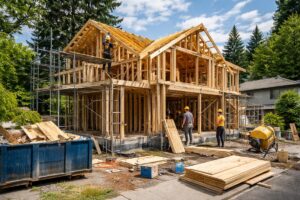
Framing and Exterior Shell (2–3 months)
This is when the home takes shape. Activities include:
- Framing walls, floors, and roof structures
- Installing windows, exterior doors, and roof systems
- Applying weatherproofing and sheathing
At this stage, homeowners can walk through the structure and see the scale and flow of spaces before finishes begin.
Mechanical, Electrical, and Plumbing Rough-Ins (1–2 months)
Once the structure is enclosed, mechanical systems go in. Tasks include:
- HVAC, plumbing, and electrical rough-ins
- Smart home wiring, lighting controls, and security systems
- Inspections and compliance checks by municipal authorities
This stage requires coordination between multiple trades to keep work efficient and compliant.
Interior Finishing (3–6 months)
Interior work defines the character and quality of the home. It includes:
- Insulation, drywall, and interior painting
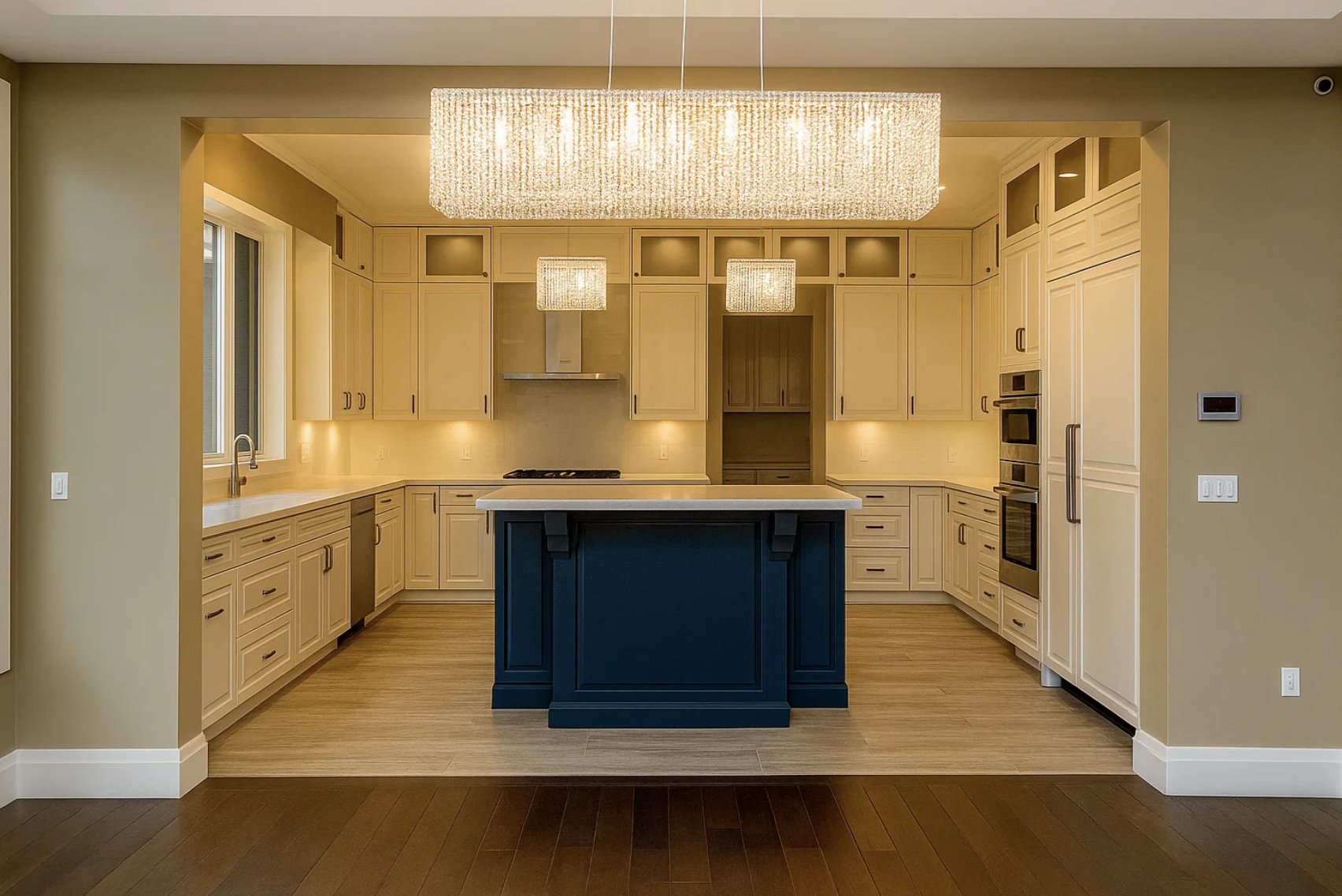
- Millwork, flooring, tile, and cabinetry installation
- Fixture placement, trim details, and custom features
Luxury builders typically spend more time here due to the level of precision and customization required.
Final Inspections, Landscaping, and Handover (1–2 months)
Before occupancy, the builder completes final touch-ups and inspections. Tasks include:
- City final inspections and occupancy certification
- Exterior landscaping, driveways, and outdoor living spaces
- Final walkthrough and handover documentation
Homeowners should expect small adjustments and minor repairs during this period as part of standard completion.
Cost Breakdown by Stage
A well-defined cost structure helps homeowners understand where their investment goes. While each luxury custom home in Vancouver is unique, most budgets follow a consistent pattern.
| Stage | % of Total Budget | Overview |
| Design & Pre-Construction | 10–15% | Architectural plans, engineering, interior design, permits, and surveys. |
| Site Preparation & Foundation | 10–15% | Excavation, grading, drainage, and concrete foundation work. |
| Framing & Structural Work | 15–20% | Lumber, framing labor, and roof systems that form the home’s structure. |
| Exterior Finishes | 10–15% | Roofing, windows, doors, insulation, and exterior cladding. |
| Mechanical, Electrical & Plumbing | 10–12% | HVAC, plumbing, electrical wiring, and smart-home systems. |
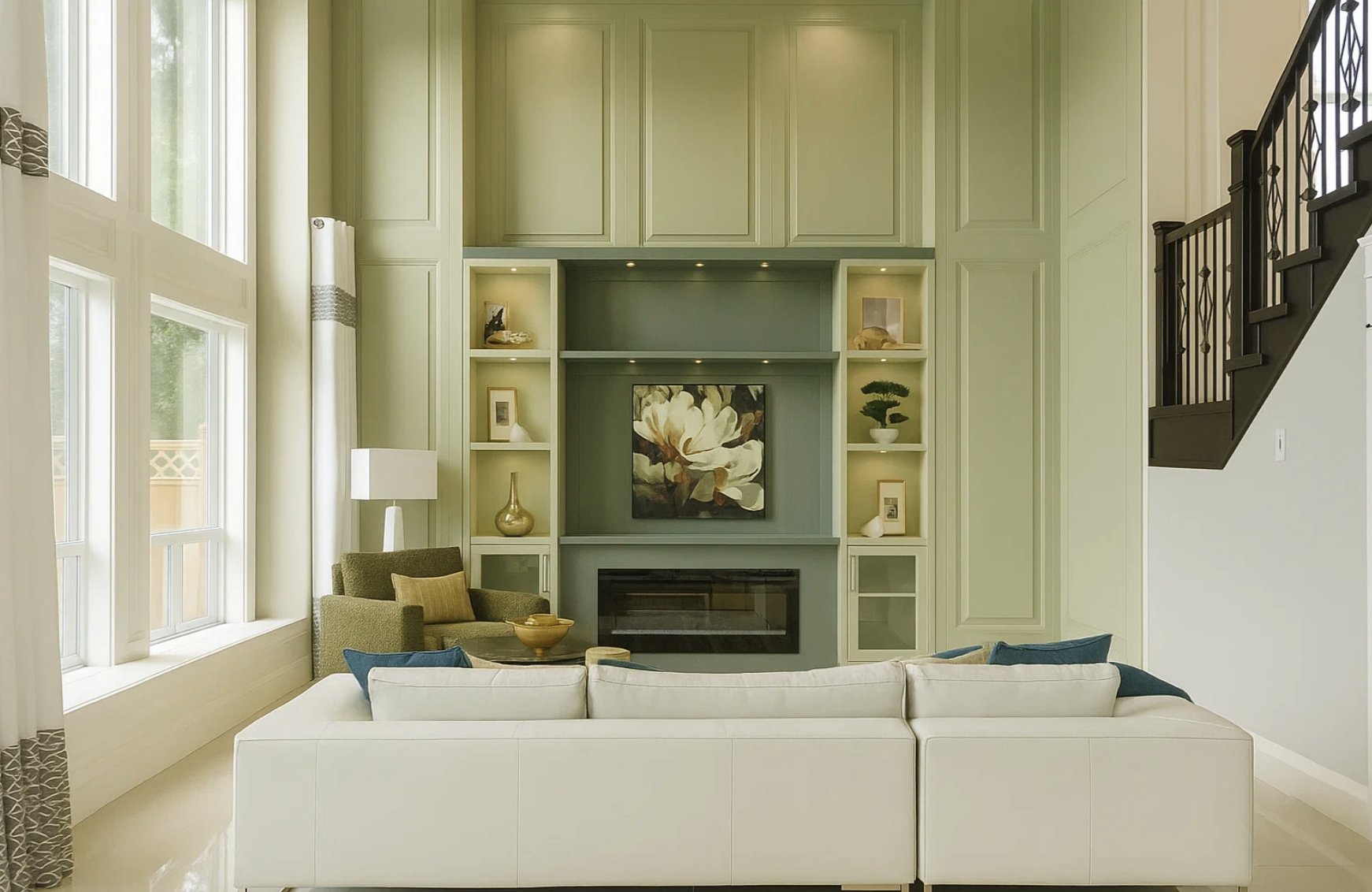
| Interior Finishes | 25–35% | Flooring, cabinetry, tile, millwork, lighting, and paint. |
| Landscaping & Outdoor Features | 5–10% | Driveways, patios, decks, and exterior details. |
| Contingency Fund | 5–10% | Reserved for changes or unforeseen costs. |
Conclusion
Building a luxury custom home in Vancouver requires planning and realistic budgeting. Interior finishes take the largest share of cost because they involve the most customization. Site and foundation work can vary widely depending on the lot, especially on slopes or poor soil.
A 10 to 15 percent contingency keeps the project flexible and reduces stress when changes or price shifts occur. With proper planning and accurate cost expectations, homeowners can complete a high-quality build with confidence and control.